Many people have heard something by now about the benefits of Iboga, a plant native to West and Central Africa, but they don’t have the full picture. My full guide is here. On this page I will give the overview:
Iboga has been used for centuries in traditional healing and spiritual practices. This enigmatic plant has recently gained attention in “First world” countries for its potential therapeutic benefits. From addiction treatment to spiritual growth, Iboga’s uses are diverse and fascinating.
What is Iboga?
Iboga (Tabernanthe iboga) is a perennial shrub native to the tropical forests of Gabon, Cameroon, and the Republic of Congo. Its root bark contains a complex mixture of alkaloids, including ibogaine, ibogamine, and tabernanthine. These compounds have been found to possess remarkable medicinal properties.
Traditional Uses
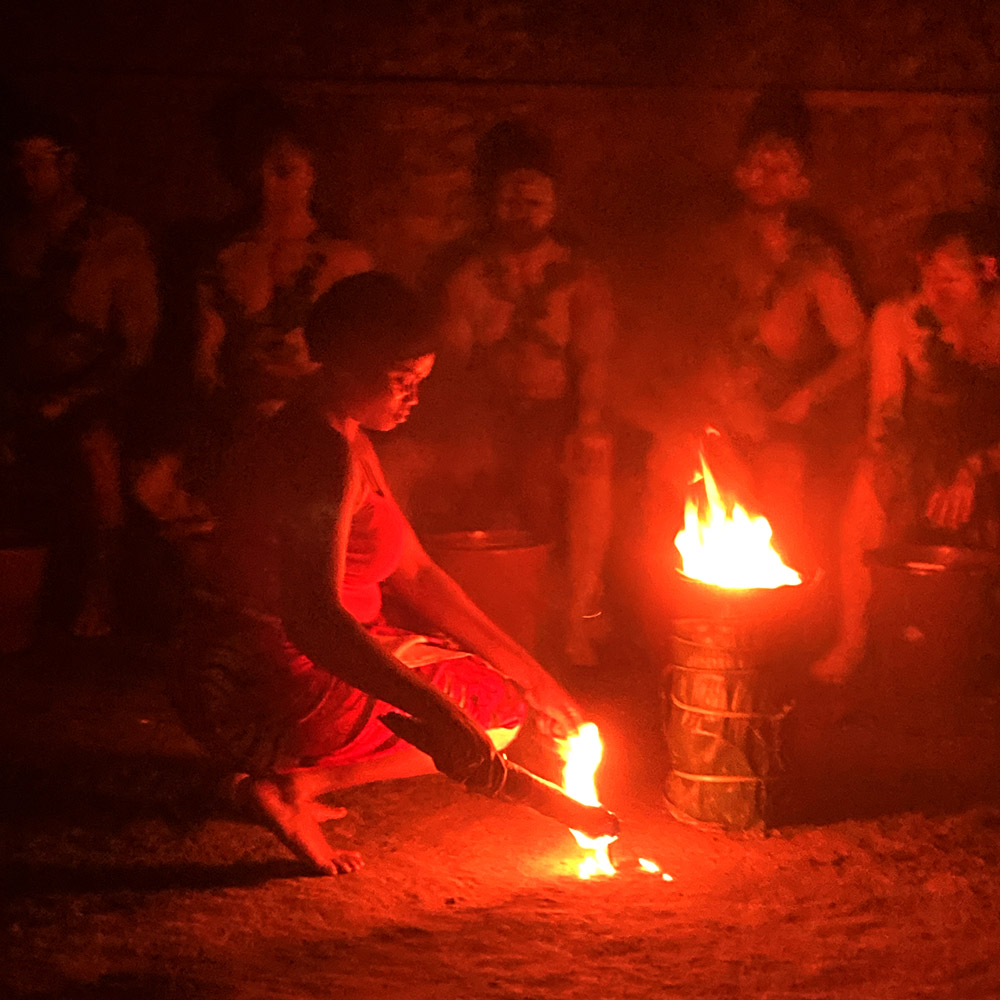
In African traditional medicine, Iboga (Male or Female phenotype) is used as a method of receiving healing from intuitive/shamanic musicians to:
- Treat addiction: Iboga’s most notable traditional use is in addiction treatment, particularly for opium and heroin dependence. Male or Female iboga may be used depending on the parenting the patient lacked.
- Enhance spiritual growth: Female Iboga is used in initiation rituals to induce spiritual experiences, open the heart chakra to love, and deepen connection with ancestors.
- Improve mental clarity: Male Iboga is believed to enhance focus, memory, and mental acuity. By pruning unnecessary synaptic connections, one can feel mentally fresh, in the present, with a clean slate and less “baggage.”
Modern Research and Benefits
Recent studies have validated Iboga’s traditional uses and uncovered new benefits:
- Addiction treatment: Ibogaine, a primary alkaloid, has shown efficacy in reducing withdrawal symptoms and cravings in opioid-dependent individuals.
- Mental health: Iboga has been found to have antidepressant and anxiolytic effects, potentially helping with PTSD, depression, and anxiety.
- Neuroprotection: Iboga’s alkaloids may possess neuroprotective properties, potentially helping prevent or treat neurodegenerative diseases like Parkinson’s and Alzheimer’s.
- Immune system support: Iboga has been shown to stimulate the immune system, potentially aiding in cancer treatment and autoimmune disease management.
- Spiritual and psychological growth: Iboga’s psychedelic properties can facilitate deep introspection, self-awareness, and spiritual exploration.
- Treat addiction: Iboga’s most notable traditional use is in addiction treatment, particularly for opium and heroin dependence. Male or Female iboga may be used depending on the parenting the patient lacked.
- Enhance spiritual growth: Female Iboga is used in initiation rituals to induce spiritual experiences, open the heart chakra to love, and deepen connection with ancestors.
- Improve mental clarity: Male Iboga is believed to enhance focus, memory, and mental acuity. By pruning unnecessary synaptic connections, one can feel mentally fresh, in the present, with a clean slate and less “baggage.”
How Does Iboga Work?
Iboga’s mechanisms of action are complex and multifaceted. Only a small part of its pharmacological effecrs are understood:
- Serotonin and dopamine regulation: Iboga influences neurotransmitter balance, impacting mood and motivation.
- Opioid receptor modulation: Ibogaine interacts with opioid receptors, reducing withdrawal symptoms and cravings.
- GABA and glutamate regulation: Iboga affects neurotransmitter balance, influencing anxiety and stress responses.
- Lucid Dream Awareness: Iboga allows the user to examine their mind from a distance, as if their life story is a dream they are co-creating.
Potential Risks and Contraindications
While Iboga shows promise, it’s essential to acknowledge potential risks:
- Cardiovascular concerns: Iboga may interact with cardiovascular medications or exacerbate pre-existing conditions.
- Psychological vulnerabilities: Iboga’s intense psychedelic effects can worsen mental health conditions like psychosis or bipolar disorder. Male iboga especially. On the other hand, sometimes it can improve such conditions, depending on how it is used.
- Interactions with medications: Iboga may interact with prescription medications, including antidepressants and opioids.
- For an interactive risk checker, see my full Iboga Guide.
Conclusion
Iboga, an ancient plant with a rich history, holds significant potential for modern medicine and spiritual growth. While research is ongoing, it’s crucial to approach Iboga with respect and caution. Those interested in exploring Iboga’s benefits should:
- Consult with a qualified healthcare professional.
- Ensure proper dosing and administration.
- Integrate Iboga into a comprehensive treatment plan.
As we continue to uncover Iboga’s secrets, we may discover new avenues for healing and personal growth. Embracing this ancient plant’s wisdom can lead us toward a brighter, more compassionate future.
Resources:
- U-dont-exist/IbogaQueen Full Iboga Guide: iboga.u-dont-exist.com
- https://ibogaineguidelines.com/clinical-guidelines/patient-criteria-considerations/
- Belgers, M., Leenaars, M., Homberg, J. et al. Ibogaine and addiction in the animal model, a systematic review and meta-analysis. Transl Psychiatry 6, e826 (2016). https://doi.org/10.1038/tp.2016.71
- Underwood, M. S., Bright, S. J., & Lancaster, B. L. (2021). A narrative review of the pharmacological, cultural and psychological literature on ibogaine. Journal of Psychedelic Studies, 5(1), 44–54. https://doi.org/10.1556/2054.2021.00152
- Mash, Deborah C. “Ibogaine – A legacy within the current renaissance of psychedelic therapy.” Pharmacol Res. 2023 https://pubmed.ncbi.nlm.nih.gov/36907284/